



Introduction to Environmental Racism and Climate Change
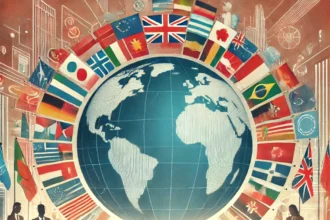
Climate change is an urgent global challenge, yet the world remains deeply divided on how to address it. While the European Union has taken significant steps to reduce greenhouse gas emissions, including ambitious net-zero targets and extensive renewable energy investments, other regions lag behind. In the United States, political divisions continue to hinder a unified response, with factions still questioning the extent of human contributions to climate change. Russia, meanwhile, has shown limited commitment to climate action, further strained by its illegal invasion of Ukraine. China, now the world’s largest greenhouse gas emitter, has made strides in renewable energy but remains heavily reliant on coal. In this complex landscape, developing nations rightfully argue that wealthy countries, responsible for the bulk of historical emissions, should bear a greater share of the responsibility for resolving the climate crisis.
Climate Change as a Social Justice Issue
However, the climate crisis is not just an environmental issue, it is also a profound social justice challenge and a human right issue. According to the Intergovernmental Panel on Climate Change (IPCC), global warming will increasingly undermine food production and access, especially in vulnerable regions, exacerbating malnutrition and micronutrient deficiencies. As temperatures rise beyond 1.5°C to 2°C, the frequency and severity of droughts, floods, heatwaves, and sea level rise will sharply increase, further endangering food security in regions like Sub-Saharan Africa, South Asia, Central and South America, and small island states. Without urgent adaptation measures, the consequences will be catastrophic, disproportionately affecting those least responsible for the crisis.
The Struggle of Quilombola Communities in Brazil
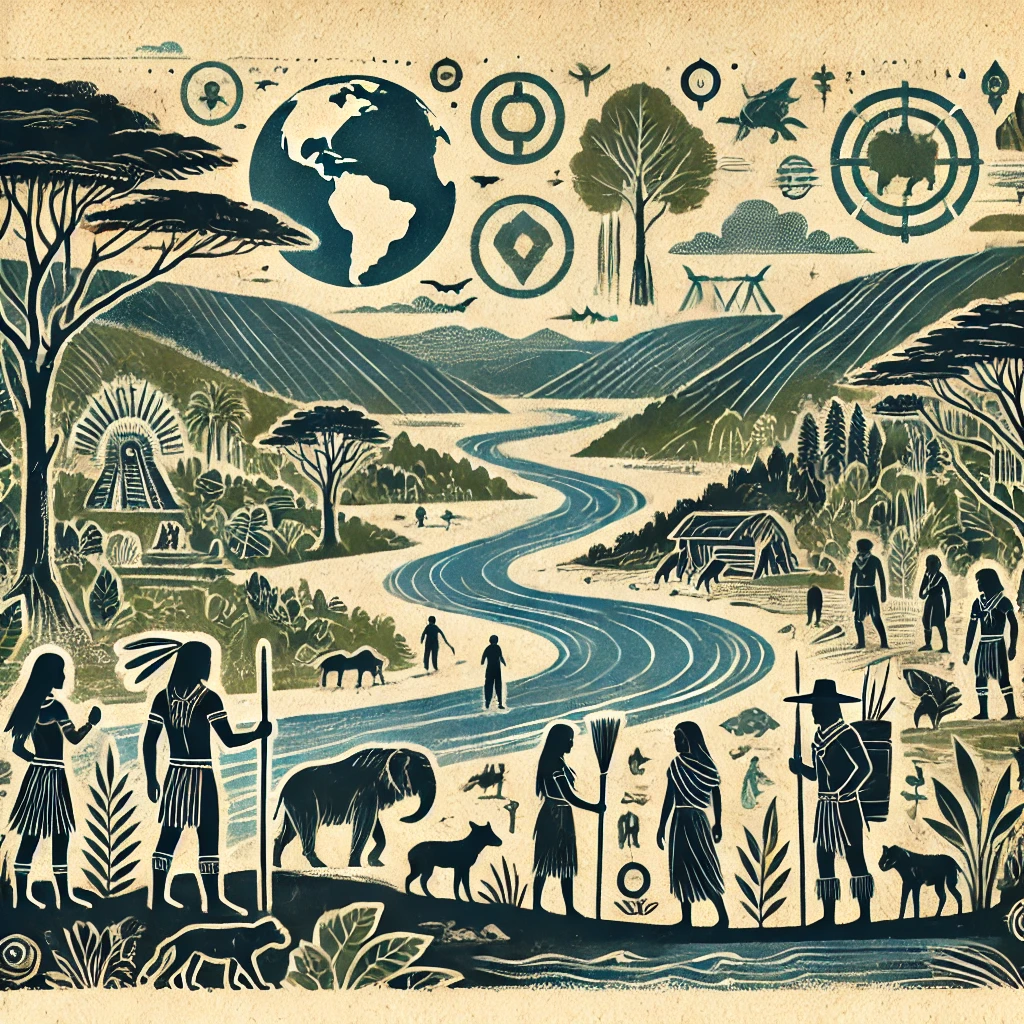
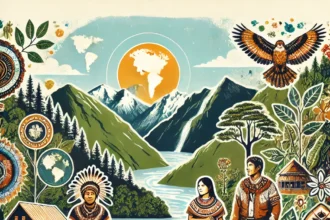
At the heart of this crisis in Brazil are the quilombola communities. Quilombola communities are composed of ethnic groups, predominantly made up of Black populations, whether in rural or urban settings, who self-identify as quilombolas based on their deep connections to land, kinship, territory, ancestry, and unique cultural traditions and practices. These communities possess deep ecological knowledge and have long practiced sustainable land management, playing a crucial role in preserving Brazil’s biodiversity and protecting critical carbon sinks like the Amazon and Atlantic forests. Quilombolas have the right to their ancestral lands, a right explicitly recognized in the 1988 Brazilian Constitution, which guarantees their collective land rights as a fundamental part of the country’s commitment to racial and social justice.
Despite their invaluable contributions to climate resilience, quilombola communities are frequently excluded from decision-making processes. This exclusion not only undermines their rights but also weakens global climate strategies that depend on their traditional knowledge for effective adaptation and mitigation. The lack of secure land rights further compounds their vulnerability, exposing them to forced displacement and land grabbing, which disrupts their way of life and threatens their cultural heritage.
AI, Data Centers, and Environmental Racism in Brazil and the U.S.
Moreover, Brazil’s expanding digital economy and the rapid growth of artificial intelligence (AI) pose additional challenges. While AI technologies promise significant economic benefits, their development relies on vast amounts of energy and data storage, often concentrated in data centers with high carbon footprints. In Brazil, these facilities are frequently located in regions with fragile ecosystems and vulnerable communities, amplifying the environmental and social impacts. The construction of data centers often leads to land disputes, disrupts local water supplies, and increases the risk of deforestation, directly impacting quilombola and Indigenous territories.
In the United States, environmental racism is inseparable from racial segregation. Residential segregation, a direct consequence of both individual and systemic racism, including discriminatory public policies at all levels of government and exclusionary financial practices, has concentrated people of color in neighborhoods that have been historically disempowered both politically and economically. These communities often lack adequate infrastructure, political representation, and economic investment, making them particularly vulnerable to environmental injustices.
When it comes to AI, the United States faces similar challenges. Data centers in the U.S. consume massive amounts of electricity, often generated from fossil fuels, contributing to greenhouse gas emissions and local air pollution. These centers are disproportionately located in low-income, predominantly Black and Indigenous communities, exacerbating environmental health disparities. Additionally, the extraction of rare earth elements required for advanced technologies often occurs in marginalized communities, both within and outside the U.S., creating toxic waste and long-term health hazards.
The Path Forward: Centering Frontline Communities
Addressing environmental racism requires a fundamental shift in climate policy, one that centers the voices and leadership of those most affected. This means moving beyond token representation to genuinely sharing power, resources, and decision-making authority. It also requires integrating technological justice into climate strategies, ensuring that the digital transition does not come at the expense of vulnerable communities.
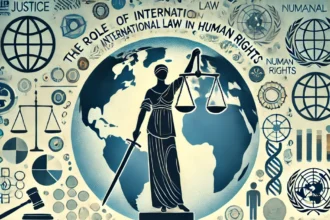
With the recent U.S. presidential transition, the diplomatic collaboration between the United States and Brazil on climate issues is likely to face significant setbacks. The return of a Trump administration signals a shift away from international climate cooperation, reducing the likelihood of joint efforts to combat environmental racism. This makes it even more critical for grassroots movements, civil society organizations, and local governments to push for climate justice and demand accountability in global forums like the G20, BRICS, and COP30.
Ultimately, the fight for climate justice is a fight for racial, economic, and environmental equity. It demands that we dismantle the structures of inequality that have long shaped our global climate policies and instead build a more just, resilient, and sustainable future for all.
References:
- The Century Foundation. (2020). Environmental racism has left Black communities especially vulnerable to COVID-19. The Century Foundation. Retrieved from https://tcf.org/content/commentary/environmental-racism-left-black-communities-especially-vulnerable-covid-19/
- Princeton University. (2020, August 15). Racial disparities and climate change. Princeton School of Public and International Affairs. Retrieve from https://psci.princeton.edu/tips/2020/8/15/racial-disparities-and-climate-change
- World Economic Forum. (2020, July). What is environmental racism? Retrieved from https://www.weforum.org/stories/2020/07/what-is-environmental-racism-pollution-covid-systemic/
- University of California Center for Climate Justice. (2023). What is climate justice? University of California. Retrieved from https://centerclimatejustice.universityofcalifornia.edu/what-is-climate-justice/
- Rodríguez-Mir, J.; Martínez-Gandolfi, M. A. (2023). Racismo ambiental, necropolítica e inequidades sanitarias en comunidades quilombas en Brasil. Perifèria, revista de recerca i formació en antropologia, 28(1), 54-83, Retrived from https://doi.org/10.5565/rev/periferia.905