



Introduction
You’ve probably heard questions like, “But do you think that person also deserves human rights?” or statements such as, “Martin Luther King Jr. was an important leader in the civil rights movement.” But what exactly is the difference between civil rights and human rights? And more importantly, what do we mean when we talk about civil rights?
Human Rights x Civil Rights
As I’ve shared here before in my article on the Foundation of Human Rights, these rights are the fundamental freedoms and protections every person has simply by being human. They safeguard us from abuse, ensure our ability to participate in society, and affirm our dignity. From the right to life and liberty to freedom of expression and religion, these universal rights create the foundation for justice and equality. In simple terms: human rights are rights we all have just by being alive.
They are not granted by any government. Instead, human rights are inherent, and the Universal Declaration of Human Rights (UDHR), adopted by the United Nations General Assembly in 1948, was the first international document to set out these fundamental rights to be universally protected. Examples of human rights include the right to life, access to food and education, the right to work and health, protection from torture, as well as freedoms of expression, religion, and liberty.
But what about civil rights? Civil rights are tied to citizenship, they are the rights a person holds as a legal member of a particular nation or state. In other words, they are the result of an agreement between individuals and their government. From an international perspective, global organizations and courts are more likely to intervene in cases of human rights violations than in violations of civil rights, since civil rights vary from country to country. While human rights are universal, civil rights depend on national laws. In many countries, civil rights also protect individuals from abuse of power by the state and guarantee that violations can be challenged in court (1).
Civil Rights in Brazil and in the U.S.
Having said that, since I was born in Brazil and now live in the United States, I find it important to highlight a few key aspects of civil rights in both countries.
In Brazil, civil rights are primarily protected by the 1988 Federal Constitution, particularly Article 5, which guarantees the inviolability of fundamental rights such as life, liberty, equality, and property. In addition, the Brazilian Civil Code regulates aspects of private life; including contracts, family relationships, and inheritance, seeking to promote justice and equity in relationships between citizens. Civil rights in Brazil also guarantee access to justice for all, regardless of class or social status, and protect against discrimination based on gender, race, sexual orientation, or religious belief. This framework aligns with international human rights treaties ratified by Brazil, such as the International Covenant on Civil and Political Rights (ICCPR)(2).
In the United States, civil rights include protections and freedoms such as: Protection from discrimination, the right to free speech; the right to due process; the right to equal protection under the law, and the right against self-incrimination.
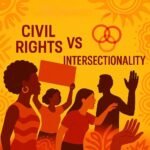
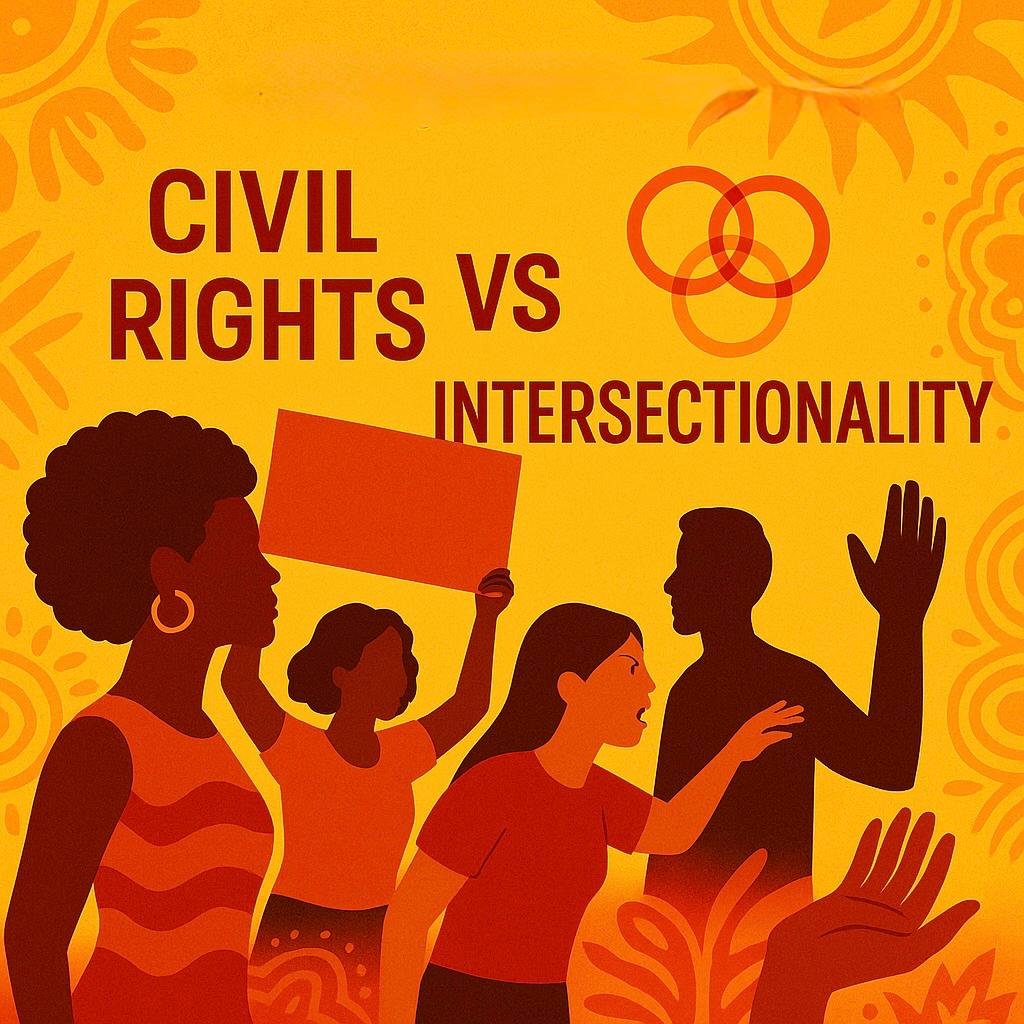
During the mid-20th century, the Civil Rights Movement emerged as a nationwide struggle to secure equal rights for African Americans and to end racial segregation and exclusion. This historic movement took many forms: sit-ins, boycotts, protest marches, freedom rides, and lobbying government officials for legislative action. Activists faced fierce opposition, including bombings, beatings, arrests, and even assassinations. Yet, by the end of the 1960s, the movement had transformed U.S. law and public life, securing landmark legal protections against racial discrimination and laying the foundation for civil rights progress in the decades that followed(3).

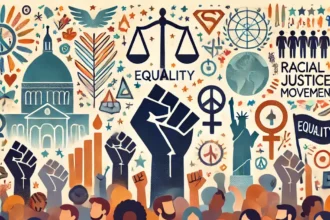
The two most significant pieces of civil rights legislation since Reconstruction were passed within just two years of each other. Together, the Civil Rights Act of 1964 and the Voting Rights Act of 1965 outlawed discrimination based on race, color, religion, sex, or national origin. They banned discrimination in public accommodations, public education, and employment, while also prohibiting race-based restrictions on voting. This sweeping legislation, a longtime demand of the civil rights movement, helped bring the discriminatory laws and practices of the Jim Crow era to an end(4).
In other words, these were historic moments when communities of color collectively called out to the U.S. government: “We live here too. We pay taxes, we fulfill our obligations, and we hold the same social contract as white citizens. Therefore, we must have the same rights.”
Key Differences at a Glance
| Civil Rights | Human Rights |
|---|---|
| Granted by a nation’s constitution or laws | Inherent to all people everywhere |
| Apply only to citizens or legal residents | Universal, regardless of citizenship |
| Enforced by national courts and agencies | Protected by international law and treaties |
| Examples: voting rights, due process, equal protection | Examples: right to life, freedom from torture, freedom of religion |
Final Thoughts
Understanding the difference between civil rights and human rights is more than an academic exercise; it’s essential for recognizing injustice and demanding accountability. Human rights are universal and inherent, while civil rights are defined by citizenship and national laws. Both are vital to protecting dignity, equality, and justice. My hope is that this article encourages us all to pay closer attention to what is happening in the world and to use these concepts as tools to defend our own human rights and civil rights.
(1) Howard University School of Law. (n.d.). Civil rights history. Howard University School of Law Library. https://library.law.howard.edu/civilrightshistory
(2) Escola Paulista de Direito. (2022, May 6). Você sabe em que consiste os direitos civis? EPD Blog. https://epd.edu.br/blog/voce-sabe-em-que-consiste-os-direitos-civis/
(3)Library of Congress. (n.d.). Civil rights movement. In Post-war United States (1945–1968). https://www.loc.gov/classroom-materials/united-states-history-primary-source-timeline/post-war-united-states-1945-1968/civil-rights-movement/
(4) Library of Congress. (n.d.). Civil rights movement. In Post-war United States (1945–1968). https://www.loc.gov/classroom-materials/united-states-history-primary-source-timeline/post-war-united-states-1945-1968/civil-rights-movement/